


体育作为方法: 换一个角度看中国文明传统 (Sports as Method: An Alternative Approach to Study Chinese Tradition and Civilization)
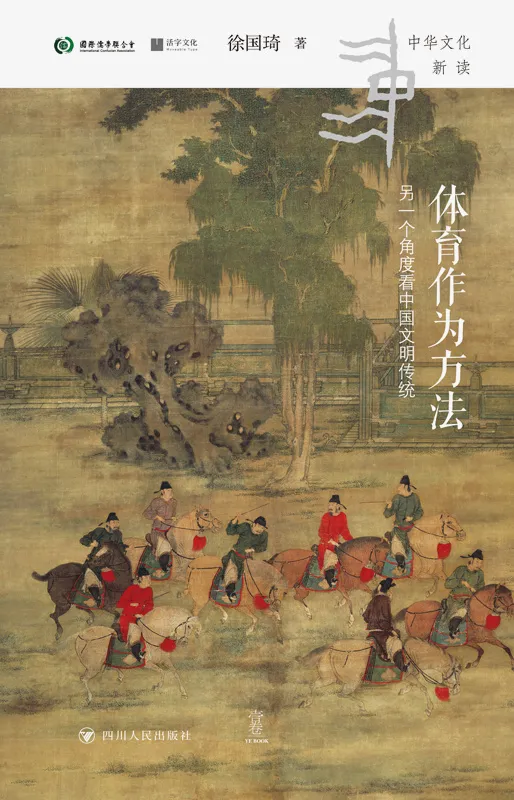
体育作为方法: 换一个角度看中国文明传统 (Sports as Method: An Alternative Approach to Study Chinese Tradition and Civilization) Author: Xu Guoqi Publisher: Sichuan People’s Press Year of Publication: 2025 (Chinese version only) 这并不是一本就体育谈体育的书,而是体育的文化史、文明史和文化交流史。它意欲借助体育来解读中国文明特性,揭示中外文明互鉴、交流,彰显中国与其他文明「共有」的历史、共同的旅程。
The Idea of China: A Contested History
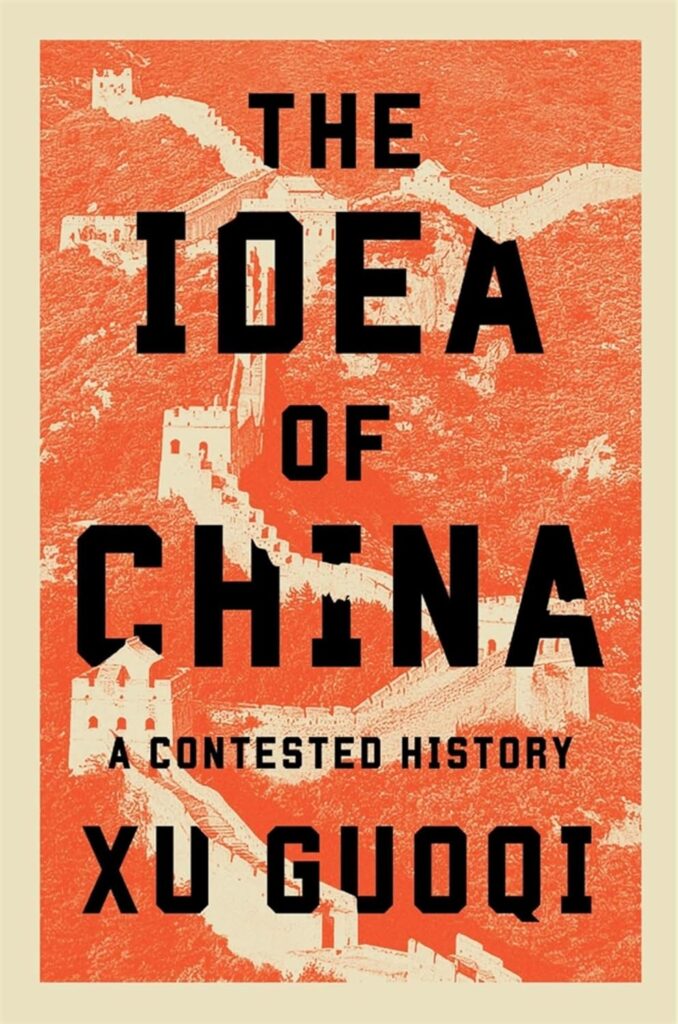
The Idea of China: A Contested History Author: Xu Guoqi Publisher: Harvard University Press Year of Publication: 2026 An acclaimed historian’s bold response to two simple, yet vexed, questions: What counts as China, and who counts as Chinese? China became a capitalist superpower by investing in globalization. Now that it has established its credentials—and emerged as a major US competitor—its leaders are looking within, focused on suppressing dissent and fostering cohesion. The result has been an increasingly nationalist cultural agenda, celebrating a Chinese identity steeped in the mystique of the Middle Kingdom and nostalgia for heroic twentieth-century resistance. Yet Chinese nationalism, like nationalism everywhere, is fraught. Few Westerners, and even fewer Chinese, recognize that the very idea of China is up for grabs. In this sweeping history, Xu Guoqi explores the transnational construction of Chineseness. The Idea of China describes an identity constantly under renovation. Through dialogue and confrontation with neighbors, more distant outsiders, and Chinese speakers and writers within the state, Hong Kong, Taiwan, and the diaspora, the idea of China has been reshaped repeatedly across time. Even bedrock cultural formations like Confucianism have been reimported to China after their translation in Korea, Japan, Vietnam, and elsewhere. The idea of China has always been and remains a continuing process, invented, subverted, and reinvented to serve the shifting needs of kings and bureaucrats, industrialists and intellectuals, allies and adversaries. Xu’s chronicle is as provocative as it is rigorous, and his conclusion could hardly be starker: China, fundamentally, is constituted by a shared history. To accept this is to begin moving past the heated great-power rivalries that threaten international peace and stability today.